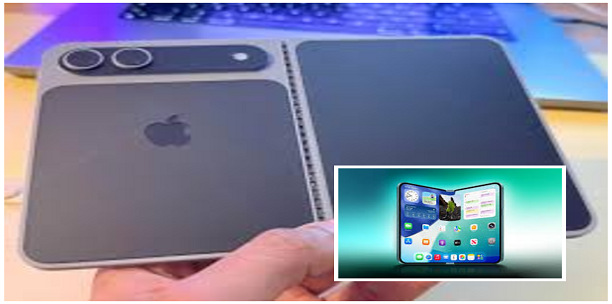
After nearly a decade of speculation, leaks, and patents, Apple is finally preparing to launch its first foldable iPhone. The tech world is buzzing with excitement because this device is not just another foldable smartphone—it could change the future of foldable phones altogether. From a crease-less display to a brand-new foldable iPhone design, Apple seems ready to redefine the category it deliberately avoided for years.
Apple’s Long Journey Toward a Foldable iPhone
Many people believe Apple is late to the foldable smartphone race. Brands like Samsung, Oppo, Vivo, OnePlus, and Google have already released multiple generations of foldable phones. Samsung alone is now in its 7th generation of Galaxy Fold devices.
However, what most users don’t realize is that Apple started working on foldable smartphones as early as 2011. Apple filed its first foldable iPhone patent that year, followed by dozens of new patents in 2018 and beyond. In total, over 50 different foldable prototypes and design variations are believed to have been tested internally—ranging from flip-style phones to book-style foldables and even reverse-fold designs.
This same approach was seen with widgets, large-screen iPhones, calculators on iPad, and system-wide customization. Apple waits, perfects the experience, and then delivers a polished product. The foldable iPhone follows the same philosophy.
Expected Launch Date: When Is Apple Foldable iPhone Coming?
According to strong leaks and industry reports, Apple is targeting two possible launch windows:
- September 2026, alongside the iPhone 18 series
- Or January 2027, during Apple’s early-year special event
Among these, September 2026 looks the most likely. Reports from 2025 already confirm that Apple has made “significant progress” in foldable iPhone prototypes, suggesting the product is nearing final stages.
Apple Foldable iPhone Name: What Will Apple Call It?
Apple is known for branding everything uniquely:
- AirPods, not earbuds
- Dynamic Island, not punch-hole
- Vision Pro, not VR headset
So don’t expect the name “iPhone Fold.” That’s almost guaranteed not to happen.
Possible name ideas floating around:
- iPhone Flex
- iPhone Flip (less likely)
- iPhone Air Fold
- Or a completely new branding Apple hasn’t revealed yet
Whatever the name, Apple will ensure it sounds premium and distinctly “Apple.”
Design and Display: The Biggest Game-Changer
Foldable Display Size
The Apple foldable iPhone design is expected to follow a book-style fold, similar to Galaxy Z Fold—but with key differences.
| Display | Size | Details |
| Outer Display | ~5.5 inches | Wider, practical cover screen |
| Inner Display | ~7.8 inches | Nearly 8-inch AMOLED panel |
| Refresh Rate | 120Hz | ProMotion on both screens |
Unique 4:3 Aspect Ratio
Unlike most foldable phones that use a square-like display, Apple is reportedly using a 4:3 aspect ratio, similar to the iPad mini.
Why this matters:
- Better video viewing experience
- Less black bars while watching YouTube or movies
- More natural reading, gaming, and multitasking
- Ideal for productivity and media consumption
This single decision could solve the biggest problem with current foldable smartphones.
World’s First Crease-less Foldable Display?
One of the most exciting rumors is that Apple may introduce the world’s first nearly crease-less foldable display.
Apple is reportedly using a Liquid Metal hinge, developed in collaboration with Samsung and another partner. This advanced hinge technology is said to be:
- Up to 2.5x stronger than titanium
- Extremely durable
- Nearly invisible when unfolded
If successful, this could become Apple’s biggest innovation in the foldable smartphone market.
Build Quality and Weight
- Thickness (unfolded): ~4.8mm
- Weight: 240–250 grams
Yes, it’s slightly heavier than Samsung’s foldable phones, but still within acceptable limits—similar to older Pro Max iPhones.
The build is expected to use titanium, not stainless steel, to balance durability and weight. There are also rumors of new premium colors, possibly including a unique gold finish Apple has never used before.
Security: Touch ID Over Face ID
Due to space constraints and display design:
- Face ID is unlikely
- Touch ID integrated into the power button is expected
This approach is already proven on iPads and works reliably.
Camera Setup: Practical, Not Revolutionary
Despite rumors of “8 cameras,” the reality is more grounded.
Expected Camera Configuration:
- Dual rear cameras
- 48MP Primary
- 48MP Ultra-wide
- Front camera (inner display)
- Front camera (outer display)
Apple will heavily rely on computational photography, center-stage selfies, and software optimization rather than adding bulky hardware.
This won’t be Apple’s best camera phone—but it will still deliver flagship-level image quality.
Performance and Hardware
The foldable iPhone is expected to use:
- A20 or A21 Pro chipset
- 12GB RAM
- High-performance GPU for multitasking
However, due to its slim body, heating and sustained performance may be similar to iPhone Air models. Apple will likely optimize performance through software rather than raw cooling systems.
Battery and Charging
Apple is expected to stick with a 5000mAh lithium-ion battery. Silicon-carbon batteries are unlikely for now.
- Battery life: Decent but not class-leading
- Two large displays will consume more power
- Optimized iOS features will play a key role
Software: Apple’s Real Strength
This is where Apple could dominate.
The foldable iPhone UI will feel closer to iPadOS than iOS:
- Advanced multitasking
- Tablet-style app layouts
- Seamless transitions between folded and unfolded modes
- Possible Apple Pencil support
Unlike Android foldables that simply stretch phone UI, Apple will design a true hybrid experience between iPhone and iPad.
Apple Foldable iPhone Price
Now the shocking part.
Leaks suggest the price could reach $2,500, which translates to:
- ₹2,00,000 – ₹2,30,000 in India
This could become Apple’s most expensive iPhone ever, rivaling even the Vision Pro in pricing.
Final: Will Apple Change Foldables Forever?
The Apple foldable iPhone is not designed to compete on specs alone. It aims to solve real problems:
- Better aspect ratio
- Crease-less display
- Superior software experience
- Premium build quality
Yes, it will be expensive. Yes, it may have compromises.
But if Apple delivers what leaks suggest, this device could redefine how foldable smartphones are meant to be used.
The foldable phone era may finally be ready for Apple—and Apple may finally be ready for foldables.