As the northeast monsoon lashes Tamil Nadu with relentless intensity, Chennai finds itself once again submerged—both literally and metaphorically—in a crisis of infrastructure, planning, and public trust. This special report dives deep into the unfolding situation, revealing the stark contrast between government claims of preparedness and the grim reality faced by thousands of commuters, residents, and students.
A City Under Water: The Monsoon’s Wrath
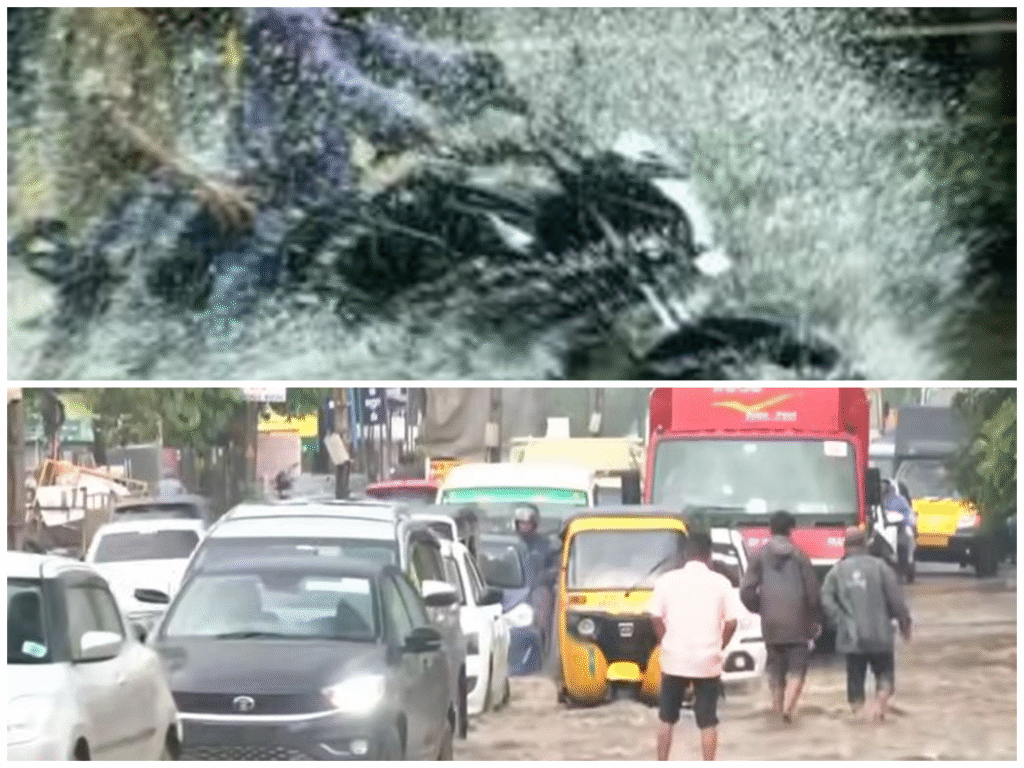
On October 22, 2025, Chennai woke up to flooded subways, waterlogged streets, and a city grinding to a halt. The Regional Meteorological Centre issued a red alert for eight districts and an orange alert for Chennai, prompting the District Collector to announce a precautionary holiday for schools across the city.
The rains, though seasonal, have exposed the fragile underbelly of Chennai’s civic infrastructure. Subways turned into canals, potholes morphed into craters, and roads became death traps. In areas like Medavakkam and Pallikaranai—home to thousands of IT professionals—the situation is dire. A local resident summed up the frustration: “Last 4-5 years, this is the worst road”.
School Closures and Commuter Chaos
With schools shut and offices struggling to operate, the city’s daily rhythm has been severely disrupted. Parents are worried about their children’s safety, and working professionals are battling flooded roads and delayed transport. The IT corridor, which powers much of Chennai’s economy, is limping along as employees either work from home or brave treacherous commutes.
Public transport systems, including buses and autos, are facing breakdowns and delays. Subways, meant to ease traffic congestion, are now impassable due to waterlogging. For many, the only option is to wade through knee-deep water or wait endlessly for a ride.
Government Response: Promises vs. Reality
Chief Minister M.K. Stalin has been seen inspecting infrastructure projects and overseeing precautionary measures. While the administration claims to be on high alert and fully prepared for the monsoon, ground reports tell a different story.
The India Today reality check reveals widespread civic anger. Pothole-ridden roads, poor drainage systems, and lack of maintenance have turned routine travel into a life-threatening ordeal. The disconnect between official statements and citizen experiences is glaring.
Death Traps in Disguise: The Pothole Plague
One of the most pressing issues is the condition of Chennai’s roads. Potholes, some large enough to swallow a scooter, are everywhere. In the rain, they become invisible hazards. Accidents have surged, and many residents are calling for urgent repairs and accountability.
In Pallikaranai, a hub for tech companies and startups, employees report daily struggles with commuting. “It’s not just inconvenient—it’s dangerous,” says a software engineer who recently injured his ankle after slipping into a pothole hidden beneath floodwater.
Infrastructure Decay: A Long-Standing Problem
Experts argue that the current crisis is not just about heavy rainfall—it’s about years of neglect. Chennai’s drainage systems are outdated, many roads lack proper grading, and construction projects often ignore environmental impact assessments.
Urban planners have long warned that unchecked development, especially in low-lying areas, would lead to disaster. Pallikaranai, once a marshland, has been heavily built over, reducing its natural ability to absorb rainwater. Medavakkam faces similar issues, with rapid urbanization outpacing infrastructure upgrades.
Monsoon Preparedness: A Reality Check
The government’s monsoon preparedness plan includes desilting stormwater drains, deploying emergency response teams, and setting up control rooms. However, implementation remains patchy.
- Many drains are still clogged with debris.
- Emergency teams are overwhelmed and under-equipped.
- Control rooms are receiving hundreds of complaints daily, with slow response times.
Citizens are asking: If this is preparedness, what would unpreparedness look like?
Vulnerable Populations at Risk
Children, the elderly, and those with disabilities are particularly vulnerable. School closures may protect students temporarily, but the lack of safe roads and transport options poses long-term risks. In low-income neighborhoods, homes are flooded, and access to clean drinking water is compromised.
Healthcare workers report an uptick in waterborne diseases, and hospitals are bracing for more cases. The city’s sanitation infrastructure is struggling to cope, raising concerns about public health.
Voices from the Ground
Here are some voices from Chennai’s streets:
“I missed work three days in a row. My manager understands, but how long can this go on?” – IT professional, Pallikaranai
“My child’s school is closed, but our street is flooded. We can’t even go out to buy groceries.” – Parent, Medavakkam
“We’ve been complaining about this road for years. Nothing changes.” – Auto driver, Velachery
These testimonies reflect a growing sense of frustration and helplessness.
What Needs to Change?
To prevent such crises in the future, experts recommend:
- Revamping drainage systems with modern technology
- Regular road maintenance and pothole audits
- Environmental planning before approving new construction
- Citizen engagement in urban development decisions
- Transparent reporting of infrastructure budgets and spending
Without these steps, Chennai risks repeating this cycle every monsoon.
Digital Tools and Citizen Action
Some residents are turning to digital platforms to report issues. Apps like “Namma Chennai” allow users to upload photos of potholes and waterlogging. Social media campaigns are gaining traction, with hashtags like #FixChennai and #MonsoonMisery trending.
Citizen groups are organizing clean-up drives and petitioning local authorities. While these efforts are commendable, systemic change requires government commitment and accountability.
Climate Change and Urban Resilience
Climate experts warn that monsoons are becoming more unpredictable due to global warming. Cities like Chennai must build resilience—not just react to disasters. This includes:
- Creating green zones and rainwater harvesting systems
- Preserving wetlands and natural buffers
- Investing in climate-resilient infrastructure
Urban resilience is not a luxury—it’s a necessity.
Conclusion: A Wake-Up Call for Chennai
The 2025 monsoon has laid bare the cracks in Chennai’s civic fabric. From flooded subways to school closures, the impact is widespread and deeply felt. While Chief Minister M.K. Stalin’s inspections signal intent, the ground reality demands urgent action.
This is not just about rain—it’s about governance, planning, and the right to safe living conditions. Chennai’s citizens deserve better. They deserve roads that don’t kill, drains that don’t clog, and a city that doesn’t drown every year.
Let this be a turning point. Let the voices from Medavakkam and Pallikaranai echo in the corridors of power. Let civic safety become a priority, not an afterthought.